Beneteau Oceanis Clipper 393 Review: 700 Hulls, Two Factories, One Sweet Spot (2026)
The Beneteau Oceanis Clipper 393 is a Berret-Racoupeau-designed 39-footer built from 2000 to 2007, with more than 700 hulls produced. CE Category A rated, it offers 2- or 3-cabin layouts, 450 L water capacity, and a 59.3 m² sail plan. Used prices range from approximately €65,000 to €110,000 as of August 2026, with around 50+ listings active across major platforms.

700+
hulls
Production count
€65k–€110k
Price range (Aug 2026)
11.96 m
LOA
Length overall
59.3 m²
Total sail area
What the Beneteau Oceanis Clipper 393 actually is
The Oceanis Clipper 393 is a production cruiser drawn by Berret-Racoupeau Yacht Design and built by Beneteau between 2000 and 2007. More than 700 hulls left the factory. Some sources cite around 600, but the higher figure from Practical Boat Owner is the more recent and likely more accurate count, as of August 2026. The "Clipper" badge simply means a standard 393 delivered with a bundle of optional equipment included as standard, a naming convention Beneteau used across the Oceanis range.
Production ran in two locations: France and Beneteau's Marion, South Carolina facility. The 393 was, in fact, the first entirely new model built at that expanded US plant. Keep this in mind when buying, because US-built and European-built hulls can have detail differences in specification and finish.
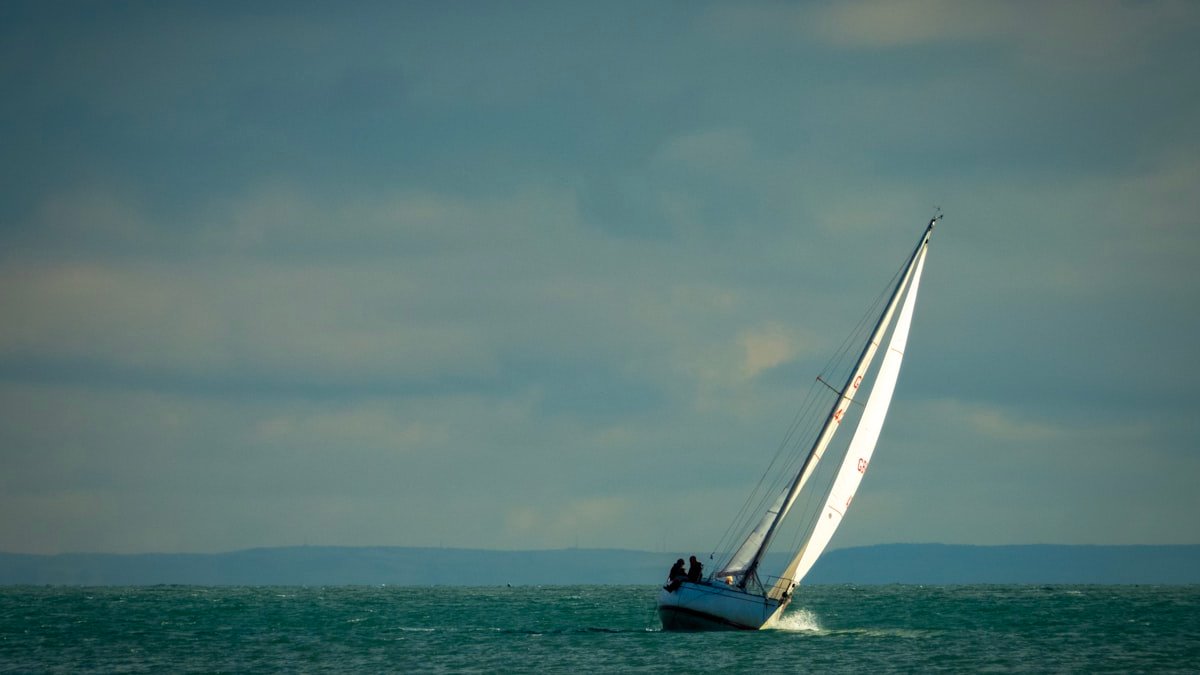
At 11.96 m LOA with a 3.96 m beam, the 393 sits in the sweet spot between manageable short-handed sailing and genuine liveaboard space. The hull is solid GRP laminate below the waterline with balsa-core sandwich topsides. The fin keel with weighted bulb draws 1.55 m in standard trim, with a 1.91 m deep-draft and a 2.40 m performance keel also offered. For a deeper look at where this model fits in the broader lineup, consult our guide: Beneteau: The Complete Brand Guide for Charter & Buying.
The rig is a masthead sloop carrying 59.3 m² of sail: 28.3 m² main plus 31.0 m² genoa. An in-mast furling mainsail by US Spars was a popular option. More on the consequences of that choice below. Standard power comes from a Volvo 40 hp diesel, though some units were fitted with Yanmar 4JH4-E engines rated between 44 and 56 hp.
CE Category A (Ocean) is the rating consistently reported across independent sources, supported by a STIX value of approximately 43, well above the Class A threshold of 32. Beneteau does not publish AVS (Angle of Vanishing Stability) data, consistent with its documented policy of not releasing GZ curves.
Layout and living aboard
Two-cabin version
The 2-cabin layout was designed with cruising couples in mind. It places a large athwartship double berth to starboard under the cockpit, paired with a U-shaped galley to port and a generous sail locker. A bar/cabinet sits to starboard in the saloon. Two heads, both with showers, round out the accommodation. For a couple planning extended cruising or a bluewater passage, this is the layout to hunt for.
Three-cabin version
The 3-cabin variant swaps that sail locker for a second aft cabin, giving you two fore-and-aft double berths under the cockpit plus the forward V-berth. The galley moves to a fore-and-aft arrangement to starboard, with the nav station to port. This was the version targeted at charter operators. Sunsail, The Moorings (who badged it the "Moorings 403"), and others ran fleets of these. Both layouts sleep 4–6 and retain the two-head arrangement.
No official production-count split between the two layouts has been published. On the used market, you'll find charter-spec 3-cabin boats more frequently, so if you want the 2-cabin, be prepared to wait or travel.
Living space
The 450 L water tank is genuinely useful for extended stays away from marinas. The 136 L fuel tank is less generous. Owners consistently flag this as a limitation for passage-making under engine, and supplementary jerry cans are a common sight aboard.
Where she earns her keep
The 393 sails well in moderate conditions. One owner on YBW Forum put it plainly: "The 393 is a lovely boat. She sails well, is pretty, and is a great design" (anonymous poster, YBW Forum, 2003-11-14). The PHRF rating of 114–138 (varying by region and rig) confirms a boat that sits comfortably in the mid-fleet of club racing, fast enough to be competitive but not twitchy enough to tire you on a long passage.
With the deep-draft or performance keel, pointing ability improves markedly. The standard 1.55 m draft keeps shoal options open, particularly useful in the Chesapeake, the Bahamas, or the French Atlantic coast.
The ballast ratio on the standard keel is 31% (2,430 kg of the 7,780 kg displacement). This is adequate for trade-wind sailing and Mediterranean cruising. Owners report needing to reef earlier than on comparable 39-footers, though. In winds above Force 5 (17–21 knots), you'll want the first reef in, and in a solid Force 6 you'll be glad of the second. That sensitivity is the trade-off for lighter-air performance and a comfortable motion.
Another long-term owner reported on YBW Forum: "I've sailed my Beneteau Oceanis 393 around Turkey for 5 years with no problems" (anonymous, YBW Forum, 2009-08-17). The Med coastal cruising role is where this boat genuinely excels.
✓ Strengths
- •Good light-air performance for a cruiser
- •450 L water tank supports extended cruising
- •Two-head layout standard across both versions
- •CE Category A rated (STIX ~43)
- •Huge used-market availability (700+ built)
✕ Trade-offs
- •Needs early reefing above Force 5
- •136 L fuel tank limits motoring range
- •In-mast furling degrades sail shape
- •Tight engine and systems access
- •QC inconsistencies on some US-built hulls
Weak points and what they cost
In-mast furling mainsail
This is the single most discussed issue on the 393. Boats fitted with the optional US Spars in-mast furling unit suffer from poor mainsail shape and reported jamming at the spreaders. Many owners and racers have converted to slab reefing to improve performance and lower the centre of gravity. If you're buying one with in-mast furling, budget for either living with the compromise or a conversion. A new slab-reefing setup including boom, track, and sails can run €3,000–€6,000 depending on sailmaker and whether you reuse the existing mast section.
Interior build quality
One owner summarised the issue bluntly: "The quality control from the factory was not as good as I had hoped" ("Happy 393 Owner", Sailboat Owners Forums, circa 2004–2005). Interior assembly, meaning joinery alignment and fitting attachment, was below expectations on some hulls, particularly US-built units. Beneteau USA corrected reported issues under warranty at the time. On a 20-year-old boat, what matters now is whether previous owners addressed these or let them compound.
Osmosis
Hull blistering has been reported on early models (pre-2003), particularly in tropical waters with poor antifoul maintenance. It is not widespread, but a pre-purchase survey should include moisture readings. Treatment for moderate osmosis on a 39-footer typically costs €4,000–€8,000 including haul-out, peel, epoxy barrier, and re-antifoul.
Deck leaks
Ageing portlights and deck fittings, including chainplates and the traveller area, are prone to leaking on hulls that haven't been rebedded. Rebedding a full set of portlights and re-sealing chainplates is a weekend job if you do it yourself, or around €1,500–€3,000 at a boatyard.
Fuel tank capacity
At 136 L (36 US gal), the standard fuel tank limits motoring range significantly. Fitting a supplementary tank or relying on jerry cans is common among passage-making owners. This isn't a defect. It's a design choice made for a boat that was expected to sail more than motor, but it's a real limitation for anyone planning long delivery legs or windless passages.
Engine and systems access
The engine compartment and electrical panel access behind bulkheads are described as cramped. Servicing the autopilot and windlass can be particularly awkward depending on the specific installation. Budget extra yard time for any major mechanical work.
How it ages
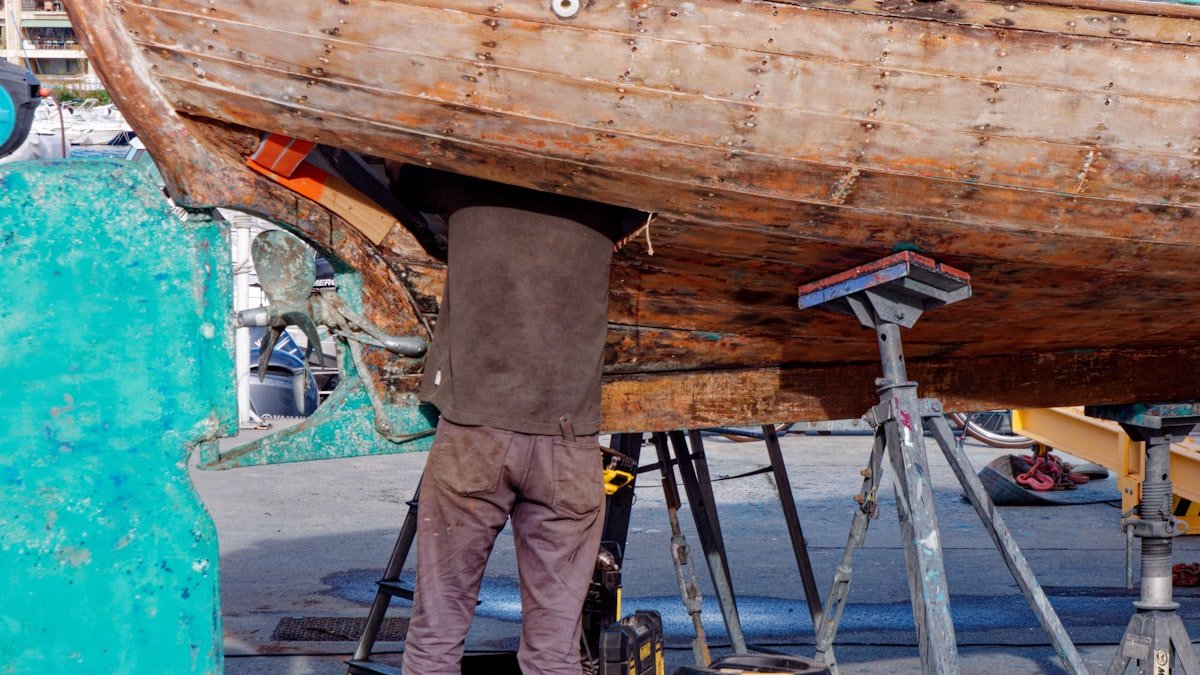
The solid GRP laminate below the waterline ages well provided antifouling has been maintained. The balsa-core sandwich topsides are the area to watch. Any water ingress through deck fittings, stanchion bases, or portlights can cause core delamination over two decades. Tap-test the deck during survey, particularly around hardware attachment points.
The Volvo 40 hp diesel and Yanmar 4JH4-E alternatives are both well-supported engines with widely available parts. At the age these boats have reached (19–26 years old in 2026), expect the usual: raw water pump rebuilds, injector servicing, alternator replacement, and exhaust elbow inspection. None of these are expensive if caught early.
Standing rigging on any 20-year-old boat should be assumed to need replacement if it hasn't already been done. On a 39-footer with masthead rig, budget approximately €5,000–€8,000 for a full set of wire standing rigging including terminals and labour. Rod rigging, if fitted, will cost more.
The hull form, that Berret-Racoupeau fine entry, doesn't date. It still looks contemporary alongside boats ten years younger, and the sailing manners are genuinely pleasant. What dates is the interior finish. The light-coloured woodwork and moulded liners common to early-2000s Beneteau production look tired in boats that haven't been maintained. A well-cared-for example, though, remains a genuinely attractive yacht inside and out.
Beneteau Oceanis Clipper 393 price: what the market asks
As of August 2026, approximately 50+ listings are active across major platforms, combining all model-name variants (Oceanis 393, Oceanis Clipper 393, and charter-branded equivalents).
| Metric | Value (as of August 2026) |
|---|---|
| Lowest confirmed European listing | ~€65,000 |
| 25th percentile | ~€72,000 |
| 75th percentile | ~€92,000 |
| Highest confirmed listing (US, converted) | ~€110,000 |
| European ceiling (direct EUR) | ~€90,160 |
| Active listings (all platforms, all variants) | 50+ |
The spread tells you something important: condition, equipment, and location matter enormously. A well-maintained 2-cabin version with slab reefing and recent rigging will command the upper quartile. An ex-charter 3-cabin with in-mast furling and a tired interior will sit at or below the 25th percentile.
US-listed boats in USD tend to price slightly higher than European equivalents once you factor in exchange rates. A 2005 model in Chicago lists at $128,900 (approximately €110,000 at current rates), while comparable European boats top out around €90,000. Shipping costs from the US to Europe or vice versa can easily add €15,000–€25,000, making cross-Atlantic bargain-hunting rarely worthwhile unless you plan to sail the boat where it sits.
The same owner who flagged QC issues still concluded: "The bottom line is that I would still buy the 393" ("Happy 393 Owner", Sailboat Owners Forums, circa 2004–2005). From someone who lived with the boat's imperfections, that's a useful data point on residual satisfaction.
Who this boat fits / doesn't
Buy the 393 if you are:
- A couple or small family looking for a proven 39-footer with liveaboard capability and a genuine offshore rating
- A buyer who wants Med or tradewind cruising capability without the maintenance overhead of a 45-footer
- Price-sensitive but unwilling to drop below 38 ft: the 393 offers a lot of boat for the money compared to newer Oceanis models in the same size range
- Comfortable doing or commissioning targeted upgrades (rigging, electronics, possibly sail plan conversion)
Look elsewhere if you are:
- Planning high-latitude sailing or heavy-weather ocean crossings. Forum consensus is that the CE-A rating, while technically supported by STIX data, overstates the boat's suitability for extreme offshore work
- Unwilling to tolerate Beneteau production-boat interior quality. If you expect Hallberg-Rassy joinery, this is not your boat
- Dependent on long motoring ranges. The 136 L fuel tank is genuinely limiting, and adding capacity is not straightforward
- Looking for a racing boat. A PHRF of 114–138 makes it competitive in club racing, but dedicated racers will outpoint you
Verdict
The Oceanis Clipper 393 is a well-proven coastal and warm-water offshore cruiser that rewards a careful buyer. With more than 700 hulls built, parts supply is strong, the knowledge base is deep, and the used market offers real choice.
Focus your search on the 2-cabin layout if you're a cruising couple, and specifically on boats with slab reefing. Avoid in-mast furling unless the price reflects the cost of either living with it or converting away from it. Insist on a thorough moisture survey of the deck core, and budget for standing rigging replacement if it hasn't been documented.
At the 25th-percentile price of approximately €72,000 (as of August 2026), a 393 in average condition represents strong value in the 39-ft cruiser segment. At the 75th percentile of approximately €92,000, you should expect recent rigging, a sound deck core, a well-serviced engine, and an interior that doesn't need immediate work.
The Verdict
Choose Beneteau Oceanis Clipper 393 if you want a proven 39-ft cruiser with offshore rating, wide parts availability, and strong value below €90,000
Best for: Cruising couples and small families in the Med or tradewind routes
Method: Assembled from Rightboat listing, Wikipedia – Beneteau 393, Practical Boat Owner, The Sailboat Guide / BolsaDeNavegantes, boats.com review (McCreary), Cruising World / boats.com review / PBO, YBW Forum (STIX thread) + sailboat-cruising.com + sailboatlab.com, Sailing Anarchy Forums, including owner reports. Data checked 2026-08-26. Listings data reflects asking prices at the time of checking. This dossier of facts is not a substitute for a marine survey.
Beneteau Oceanis Clipper 393 price: new, used by year, and what moves it
Beneteau Oceanis Clipper 393 Used Market Snapshot (2026)
| Years | Typical price (used) | What to check |
|---|---|---|
| 2006–2007 | €75,000–99,000 | Latest production hulls; same balsa-cored deck as all years — inspect carefully for water ingress around deck fittings and coach-roof windows; Yanmar 4JH3E (56 hp) or 3JH4E (40 hp) fitted; check propeller shaft alignment and cutlass bearing (known vibration issue on Yanmar-engined boats at 1,000–1,700 rpm); discontinuous wire standing rigging has turnbuckles at spreaders — more costly to survey and replace; cast-iron keel prone to surface rust/pitting if not maintained. |
| 2004–2005 | €75,000–95,000 | Mid-run boats; engine options included Yanmar 4JH3E 56 hp and Volvo Penta 50–54 hp variants — verify which is fitted as parts availability differs; bulkhead flexing and cabin-sole delamination reported on some hulls, warrant close survey of the bonded internal grid liner; chainplate backing plates should be inspected for corrosion; optional in-boom or in-mast furling mainsail adds convenience but raises maintenance complexity; Moorings 403 charter-specification hulls from this period may appear on the used market. |
| 2003–2004 | €68,000–90,000 | Early US-production hulls (Marion, SC plant) alongside French-built examples; two layouts offered — two-cabin owners version and three-cabin charter/family version; keel options were deep fin (1.91 m draft) or shallow bulb keel (1.55 m) — bulb-keel boats less able upwind; Volvo 40 hp base engine on some early hulls is functional but uncommon for mechanics; inspect for osmotic blistering on hull below waterline, typical for age. |
| 2002–2003 | €60,000–85,000 | First production year (2002); hull construction is solid GRP, deck is balsa-cored sandwich — any moisture in deck core from aged sealant around deck hardware is a priority survey item; masthead sloop rig standard; earliest boats may have the Perkins M50 or Volvo MD22 engine — reliable but niche, major repairs typically necessitate a repower; standing rigging on 20+ year-old boats almost certainly requires full replacement; high freeboard makes the boat sensitive to wind when manoeuvring in marina. |
The Oceanis Clipper 393 retains value reasonably well for a 2002–2007 production boat, with current European brokerage asking prices clustered in the €75,000–€99,000 range across all build years — a relatively narrow spread indicating the market has largely reached a floor. Well-equipped, privately owned examples with recent engine and rigging work can still command the upper end, while high-hours or ex-charter boats sit at the lower end; the model's popularity (600–700 hulls built) means ample supply keeps prices from rising, but strong demand from shorthanded cruising couples also prevents steep further depreciation.
The 393 was directly deployed as the Moorings 403 charter variant and was widely used by Mediterranean charter fleets; ex-charter examples are common and are typically mechanically well-serviced but often show cosmetic fatigue (worn upholstery, scratched gelcoat, high engine hours) and may require headliner, cushion, and deck hardware renewal, typically justifying a 10–20% discount versus a comparable privately owned boat in clean condition.
How these prices compare across sizes and types → · Could this boat pay for itself in charter? → · What to check on a used Beneteau Oceanis Clipper 393 →
Looking for a Beneteau Oceanis Clipper 393?
We know this market and where the good ones are — new or used, wherever she happens to be. Tell us what you're after and we'll find you the best option.
Sources
- YBW Forum· forum
- Sailboat Owners Forums· forum
- YBW Forum· forum
- Cruisers Forum· forum
- The Sailboat Guide / BolsaDeNavegantes· yard
- Sailing Anarchy Forums / sailboat-cruising.com· forum
- Practical Boat Owner· test
- Wikipedia – Beneteau 423 (for Clipper naming convention)· yard
- Cruising World / boats.com / PBO· test
FAQ
How many Beneteau Oceanis Clipper 393s were built?
More than 700 hulls were built between 2000 and 2007, according to Practical Boat Owner (as of August 2026). Some sources cite approximately 600, but the 700+ figure is more recent and considered more accurate. Production ran in both France and Beneteau's Marion, South Carolina facility.
What are the main problems with the Beneteau 393?
The most commonly reported issues are: poor sail shape and jamming with the optional in-mast furling mainsail; interior assembly quality-control issues (particularly on US-built units); osmosis on early pre-2003 hulls in tropical waters; deck leaks around portlights and chainplates on older boats; a small 136 L fuel tank; and cramped engine/systems access behind bulkheads.
How much does a used Beneteau Oceanis Clipper 393 cost?
As of August 2026, confirmed European listings start at approximately €65,000, with a 25th percentile of around €72,000 and a 75th percentile of approximately €92,000. The highest confirmed listing (a US-based 2005 model, converted to EUR) is approximately €110,000. Around 50+ boats are listed across major platforms.
Is the Beneteau 393 a good bluewater boat?
The 393 carries a CE Category A (Ocean) rating, supported by a STIX value of approximately 43, well above the Class A threshold of 32. It is well suited to tradewind-style ocean crossings and Mediterranean offshore sailing. However, forum consensus suggests it is less suitable for high-latitude or extreme heavy-weather offshore work than the CE-A rating might imply. The standard keel's 31% ballast ratio means it needs to be reefed earlier than some comparable 39-footers.
What is the difference between the 2-cabin and 3-cabin Beneteau 393?
The 2-cabin version has a large athwartship double berth under the cockpit, a U-shaped galley to port, and a generous sail locker — designed for cruising couples. The 3-cabin version has two fore-and-aft double berths under the cockpit, a fore-and-aft galley to starboard, and a nav station to port — targeted at charter use and families. Both have 2 heads with showers. No official production split between the two layouts has been published.
Compare with
Beneteau First 36.7
ReviewBeneteau Oceanis 40
ReviewDufour 41
ReviewDufour 37
ReviewSun Odyssey 410
ReviewSun Odyssey 380
ReviewRustler 36
DossierGrand Soleil 39
DossierAlso in: Best 40-foot sailboats →


